810 Liberty St. NE, Salem, OR 97301

Why Your Dental Abscess Could Become a Life-Threatening Emergency



A toothache might feel like a minor annoyance. But when that pain signals a dental abscess, the stakes rise quickly. Understanding why your dental abscess could become a life-threatening emergency in Salem is critical for every local patient. Dr. James Bonar and the team at Pacific Crest Dental Group of Salem want you informed and protected before a serious situation develops.
What Is a Dental Abscess and What Does It Feel Like?
A dental abscess is a pocket of pus caused by a bacterial infection. It usually forms around the root of a tooth or in the gum tissue nearby. The infection develops when bacteria invade the soft inner pulp of your tooth.
Patients often describe the pain as intense and throbbing. It may radiate to your jaw, ear, or neck. Some people also notice swelling in the face or gums, a bad taste in the mouth, or fever.
Common symptoms of a dental abscess include:
- Severe, persistent toothache that does not ease up
- Sensitivity to hot or cold temperatures
- Swollen lymph nodes under the jaw or in the neck
- Facial swelling or redness
- Difficulty swallowing or breathing
- Fever and general feelings of illness
These symptoms should never be dismissed. Even mild signs can escalate without warning. If you experience any combination of the above, contact a dental professional immediately.
Why Your Dental Abscess Could Become a Life-Threatening Emergency in Salem
Many Salem residents delay dental care, hoping pain will pass on its own. Unfortunately, an abscess does not resolve without treatment. Bacteria continue to multiply and can spread rapidly beyond your mouth.
When infection spreads to the jaw, throat, or neck, it can block your airway. This condition, known as Ludwig’s Angina, is a genuine medical emergency. It can be fatal if not treated immediately.
Bacteria can also enter the bloodstream. This leads to a condition called sepsis, which shuts down vital organs. Sepsis is one of the leading causes of hospital deaths in the United States each year.
The infection can even reach the brain in rare cases. Dental-related brain abscesses are uncommon but documented. These outcomes sound extreme, but they begin with one ignored toothache. Do not wait to seek care.
How Dental Professionals Treat a Dental Abscess
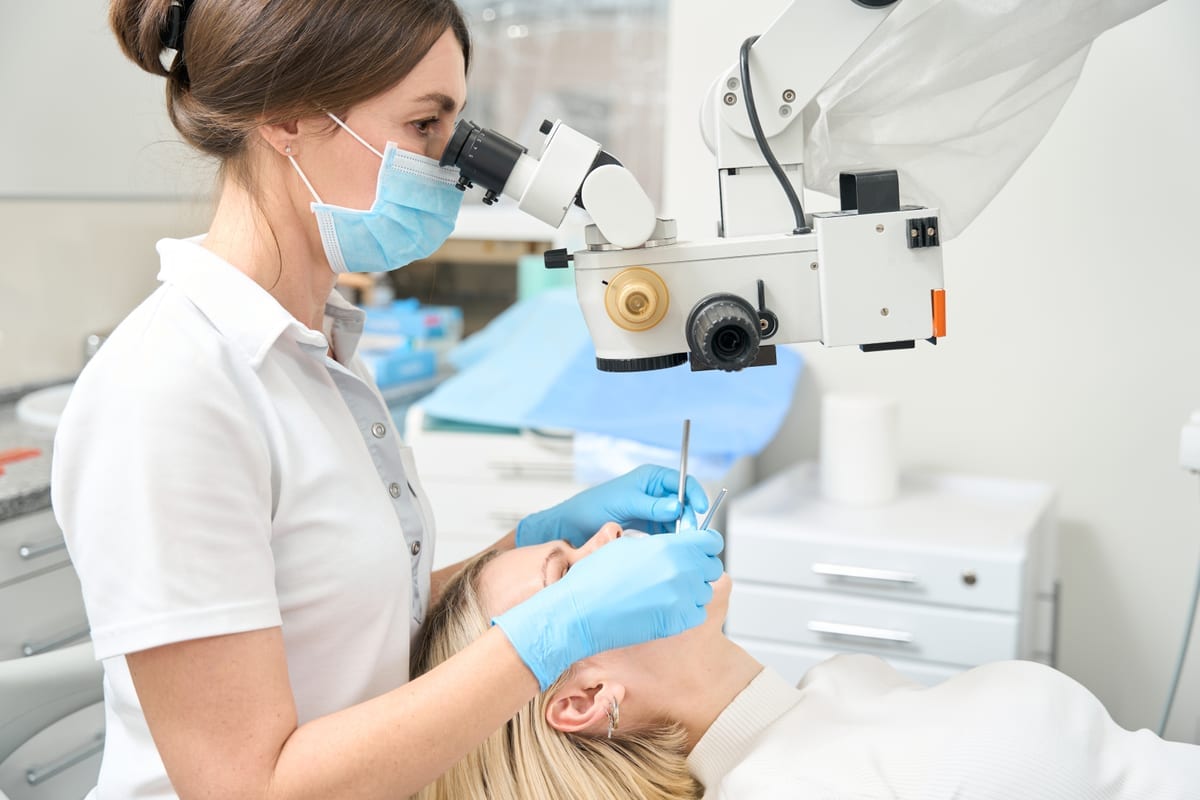
Treatment depends on the severity and location of the infection. Your dentist will first assess the abscess with a clinical exam and X-rays. From there, a clear treatment plan is developed.
Common treatment options include:
- Drainage of the abscess — Your dentist makes a small incision to release the pus and relieve pressure.
- Root Canal Treatment Salem — A Root Canal Treatment Salem removes the infected pulp, cleans the tooth interior, and seals it against future infection.
- Antibiotics — These help control the spread of infection, especially if it has moved beyond the tooth.
- Tooth extraction — When a tooth cannot be saved, removal prevents further bacterial spread.
Root canal therapy is often the preferred option when the tooth structure is still intact. It relieves pain while preserving your natural smile. Early intervention gives you the best possible outcomes.
Warning Signs You Need Emergency Dental Care Right Now
Some symptoms demand urgent attention. Do not wait for a regular appointment if you experience any of the following. Head to an emergency provider or call your dentist immediately.
Critical warning signs include:
- Swelling spreading rapidly toward your throat or eye
- Difficulty breathing or swallowing
- High fever above 101°F alongside facial swelling
- Feeling confused, extremely weak, or faint
- Pus draining with a sudden drop in pain — the infection may be spreading
Sudden relief from pain does not mean the problem is resolved. It can actually mean the abscess has ruptured and bacteria are now free to spread. This is not a good sign. Always follow up with your dentist even if pain subsides.
Salem patients should also be aware that certain health conditions increase risk. Diabetes, a weakened immune system, or heart conditions can make infections spread faster. Let your dentist know your full health history at every visit.
Prevention and Long-Term Dental Health in Salem
The best way to avoid a dental abscess is consistent preventive care. Most abscesses develop from untreated cavities or gum disease. Catching these problems early protects your health and your wallet.
Dr. James Bonar recommends these prevention habits for Salem patients:
- Brush twice daily with fluoride toothpaste
- Floss every day to remove bacteria between teeth
- Visit Pacific Crest Dental Group of Salem for regular cleanings and exams
- Address cavities and cracks before they worsen
- Avoid sugary drinks and snacks that feed harmful bacteria
If aesthetics are also a concern after infection has been treated, ask about Cosmetic Dentistry Salem options. Restoring your smile’s appearance after a dental health crisis is absolutely possible. Veneers, whitening, and other services help patients regain confidence once their oral health is stable.
Prevention is always more affordable and less stressful than emergency treatment. Routine checkups at Pacific Crest Dental Group of Salem give Dr. Bonar the chance to catch problems early. That simple habit can genuinely save your life.
Conclusion: Act Fast and Protect Your Health
A dental abscess is not something to manage with painkillers and patience. It is a bacterial infection capable of spreading to your brain, heart, and bloodstream. Salem patients deserve to understand exactly what is at stake. Dr. James Bonar and the team at Pacific Crest Dental Group of Salem are here to provide fast, compassionate, and expert care. Do not delay if you suspect an abscess. Book Now to schedule your appointment with our team.
Frequently Asked Questions
How do I know if my toothache is actually a dental abscess?
A dental abscess typically causes a throbbing, severe toothache that does not go away. You may also notice swelling in your face or gums, a bad taste in your mouth, or a fever. If your pain is accompanied by any of these signs, see a dentist as soon as possible for a proper diagnosis and treatment plan.
Can a dental abscess go away on its own without treatment?
No. A dental abscess will not resolve on its own. The bacterial infection requires professional treatment to be eliminated. Without care, the infection will continue to grow and can spread to surrounding tissues, your jaw, neck, or even your bloodstream. Delaying treatment significantly increases health risks.
Is a dental abscess a dental emergency?
Yes, in many cases it is. If you have facial swelling, difficulty breathing or swallowing, a high fever, or rapidly worsening pain, you should seek emergency care immediately. These symptoms suggest the infection may be spreading beyond your mouth, which can become life-threatening without prompt intervention.
What happens during a root canal for an abscessed tooth?
During a root canal, your dentist removes the infected pulp tissue from inside the tooth. The canals are then cleaned, shaped, and sealed with a special material. A dental crown is usually placed afterward to protect the tooth. Root canal treatment relieves pain and saves the natural tooth from extraction.
How can I prevent a dental abscess from developing?
The most effective prevention involves brushing and flossing daily, attending regular dental checkups, and treating cavities promptly before they worsen. Avoiding sugary foods and drinks also reduces the risk of decay that leads to abscesses. Routine professional cleanings at Pacific Crest Dental Group of Salem help keep your smile healthy and infection-free.