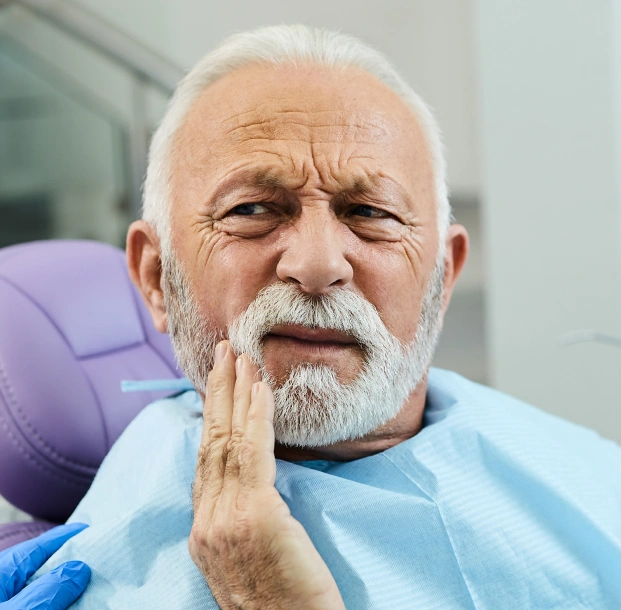
We always try to save natural teeth, but extraction may be necessary for severe decay, advanced gum disease, cracked teeth beyond repair, crowding, or impacted wisdom teeth.
Why Choose Us
Experienced, caring dental team
State-of-the-art technology
Comfortable, relaxing environment
Flexible financing options
The Extraction Process
Simple extractions for visible teeth are quick and straightforward. Surgical extractions for impacted teeth require additional care. We provide detailed aftercare instructions and replacement options when appropriate.
Frequently Asked Questions
We use local anesthesia to fully numb the area before the extraction, so you won't feel pain during the procedure. You may feel some pressure or movement, but not discomfort. Mild soreness in the days following is normal and can be managed with over-the-counter pain relievers and the aftercare instructions we provide.
Most patients feel back to normal within a few days. The initial healing of the gum tissue typically takes one to two weeks. We'll give you specific aftercare instructions — including what to eat, how to keep the area clean, and what to watch for — to help you heal as quickly and comfortably as possible.
We'll discuss replacement options including dental implants, bridges, or dentures. Each has benefits depending on your situation and goals.
We always try to save a natural tooth whenever possible. Extraction is recommended when a tooth is too severely decayed or damaged to be restored with a filling, crown, or root canal, when there is advanced gum disease affecting the supporting bone, or when a tooth is impacted and causing pain or crowding.
A dry socket occurs when the blood clot that forms in the extraction site becomes dislodged or dissolves before the area heals, exposing the underlying bone. To reduce your risk, avoid smoking, drinking through a straw, or vigorous rinsing for at least 24–48 hours after the procedure.
Stick to soft foods — such as yogurt, mashed potatoes, soup, and smoothies — for the first 24 to 48 hours. Avoid hard, crunchy, or chewy foods until the site has healed. We'll provide a full list of dietary recommendations after your procedure so you know exactly what to expect.