810 Liberty St. NE, Salem, OR 97301

Teeth Whitening in Salem, OR


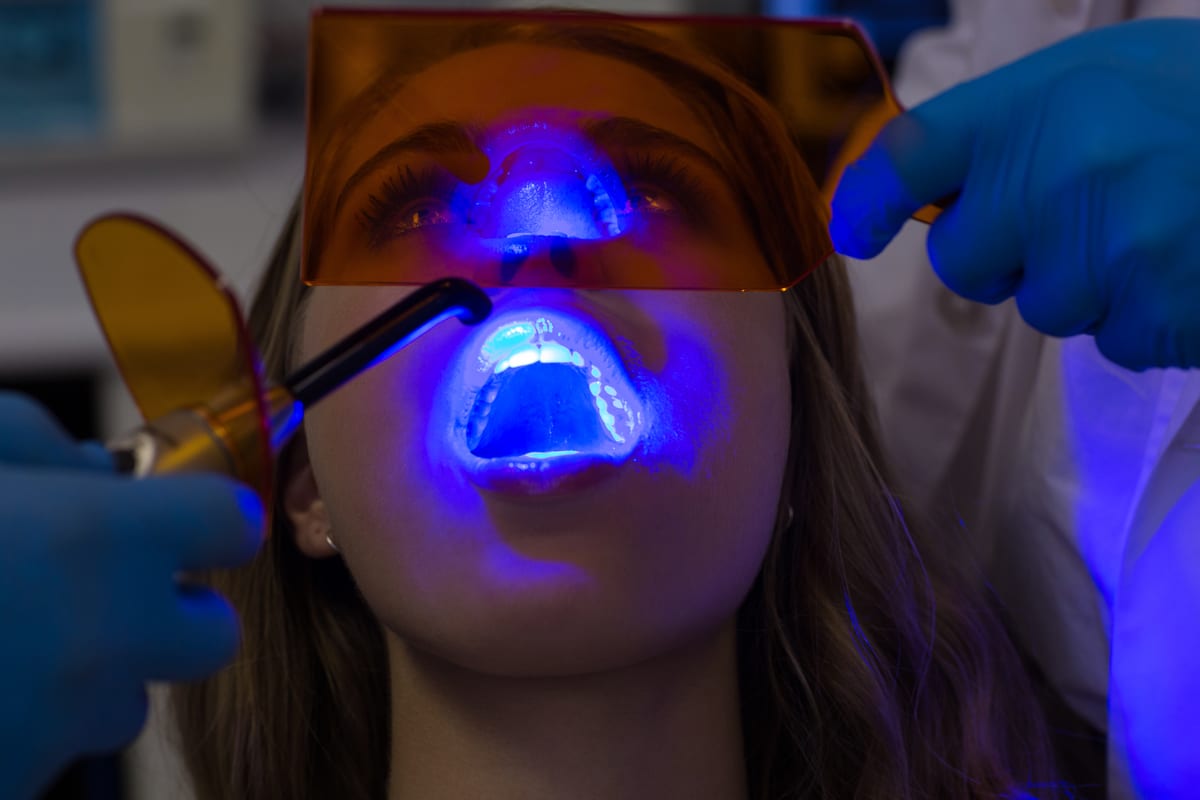
If you’ve been wondering whether professional teeth whitening will actually work for you in Salem, you’re not alone. Many patients come to Pacific Crest Dental Group of Salem with that exact question. The honest answer? Whitening works beautifully for some people — and not at all for others. Understanding which category you fall into can save you time, money, and frustration.
How Professional Teeth Whitening Actually Works
Professional whitening uses a peroxide-based gel applied directly to your tooth enamel. The active ingredient breaks apart stain molecules that have built up over time. This process targets what dentists call extrinsic stains — discoloration that lives on the outer surface of your teeth.
Common causes of extrinsic stains include coffee, tea, red wine, and tobacco use. These are the stains that respond best to whitening treatment. The peroxide gel penetrates the enamel and oxidizes those pigment molecules, leaving your teeth noticeably brighter.
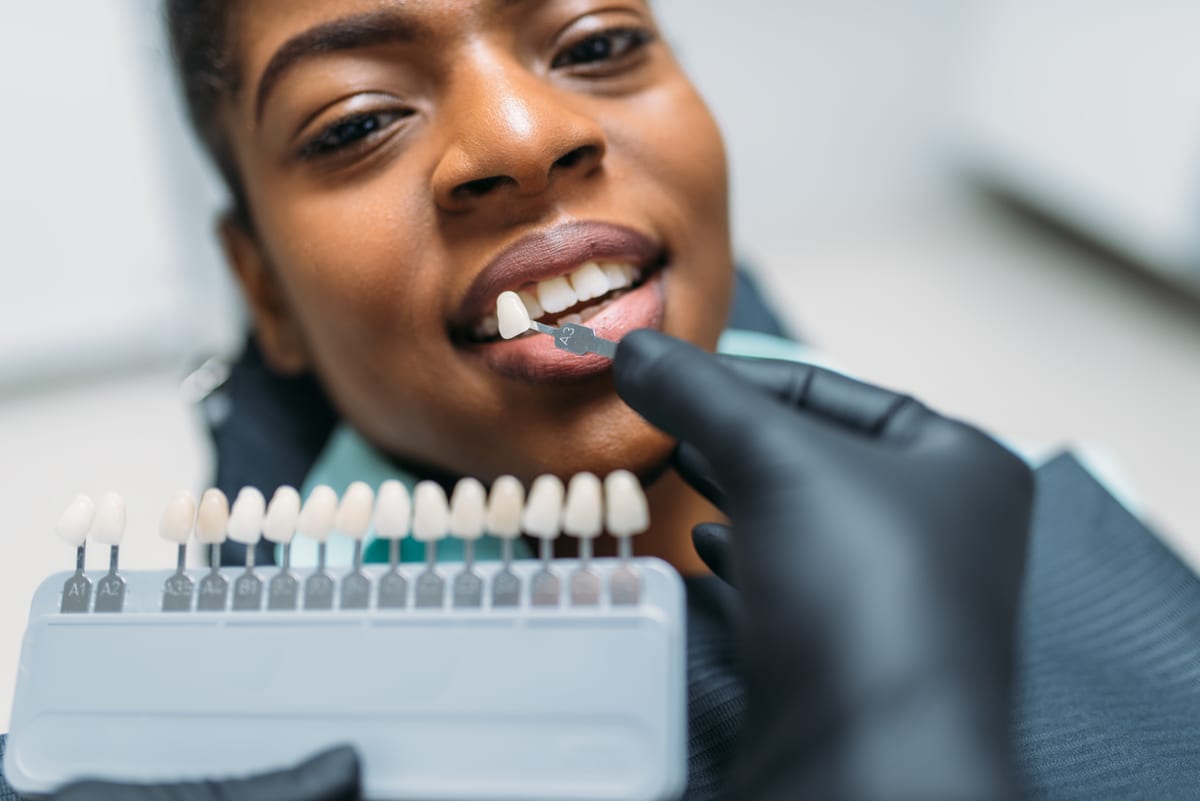
At Pacific Crest Dental Group, Dr. James Bonar uses professional-strength whitening systems that far outperform anything you’d find over the counter. In-office treatments can lighten teeth by several shades in a single visit. Take-home trays custom-fitted to your teeth offer a gentler, gradual approach.
Who Gets the Best Whitening Results in Salem
Patients with healthy teeth and gums typically see the most dramatic improvements. If your discoloration comes from food, drinks, or tobacco, you’re an excellent candidate. Teeth that are naturally yellow-toned also tend to respond very well to professional bleaching agents.
Age-related yellowing is another strong indicator that whitening will work well. Over time, enamel thins and the yellowish dentin beneath shows through more prominently. Professional whitening can significantly counteract this effect for most patients.
Here are the factors that typically predict great whitening results:
- Staining caused by coffee, tea, red wine, or food pigments
- Tobacco-related surface discoloration
- General age-related yellowing
- Healthy, cavity-free teeth with no restorations in the front smile zone
- Good baseline oral hygiene habits
If most of these apply to you, professional whitening is likely to deliver results you’ll love. A quick consultation with Dr. Bonar can confirm your candidacy with confidence.
Who May Not See Results — And Why
This is where honest patient education really matters. Whitening gel only works on natural tooth enamel. It has absolutely no effect on dental restorations like crowns, veneers, or bonding. If you have visible restorations in your front teeth, whitening could create a mismatched appearance.
Intrinsic stains are another important consideration. These are stains that exist inside the tooth structure itself — not on the surface. They don’t respond to peroxide-based whitening treatments, no matter how strong the formula is.
Common sources of intrinsic staining include:
- Tetracycline or doxycycline antibiotics taken during childhood
- Excessive fluoride exposure during tooth development (dental fluorosis)
- Tooth trauma that caused internal bleeding or nerve damage
- Genetic or developmental conditions affecting enamel structure
- Certain medications that affect enamel formation
Patients with these types of staining often achieve better outcomes through Cosmetic Dentistry solutions like porcelain veneers or bonding. Dr. Bonar can help you explore which path makes the most sense for your smile goals.
Medication-Induced and Developmental Staining Explained
Tetracycline staining deserves special attention because it’s a common reason whitening underperforms. This antibiotic was widely prescribed to children before the 1980s. It binds to calcium in developing teeth and creates gray, brown, or banded discoloration deep within the tooth.
Because this stain lives inside the tooth, bleaching agents can’t reach it effectively. Some patients with mild tetracycline staining see modest improvement with extended whitening protocols. However, most patients with moderate to severe tetracycline staining see little meaningful change from whitening alone.
Dental fluorosis is another developmental condition that affects whitening outcomes. It appears as white spots, streaks, or brown patches on the enamel surface. Whitening may actually make white spot lesions more noticeable by lightening surrounding enamel further. This is why a professional evaluation before starting any whitening treatment is so important.
If you’re unsure whether your staining is extrinsic or intrinsic, Dr. Bonar can evaluate your teeth at Pacific Crest Dental Group of Salem. A proper diagnosis ensures you invest in a treatment that will actually deliver visible results.
Whitening After Crowns, Veneers, or Other Restorations
If you already have dental crowns, veneers, or composite bonding, professional whitening can still be useful — but only with realistic expectations. Whitening will brighten your natural teeth. Your existing restorations will stay exactly the same shade they were when placed.
This creates a potential mismatch that can look unnatural. If your restorations are placed toward the back of your mouth, this is rarely a visible issue. However, if crowns or veneers sit in the front smile zone, color matching becomes a real concern.
One practical approach is to whiten your natural teeth first and then replace older restorations to match the new, brighter shade. Dr. Bonar can help you sequence your treatment plan strategically. This approach gives you a consistent, natural-looking result across your entire smile.
It’s also worth noting that whitening is a common first step before getting new veneers or crowns placed. Establishing your desired shade early allows restorations to be crafted to match perfectly from the start.
What to Do Before Your Whitening Appointment
A professional teeth cleaning before whitening significantly improves your results. Surface tartar and plaque can block the whitening gel from reaching your enamel evenly. Scheduling a cleaning at Pacific Crest Dental Group ensures your teeth are fully prepped for the treatment.
Dr. Bonar also recommends addressing any active cavities or gum issues before whitening. Applying peroxide gel to compromised teeth can increase sensitivity and cause discomfort. Treating these issues first sets you up for a comfortable, effective whitening experience.
Finally, set realistic expectations about your shade outcome. Whitening will not make your teeth perfectly white. It will brighten them to the lightest natural shade your particular enamel can achieve. Most patients are genuinely thrilled with those results.
Ready to Find Out If Whitening Is Right for You?
Understanding your candidacy is the smartest first step toward a brighter smile. Dr. James Bonar and the team at Pacific Crest Dental Group of Salem are here to give you an honest, personalized assessment. Whether whitening is the right fit or a cosmetic alternative makes more sense, we’ll guide you toward the best outcome for your unique smile. Book Now to schedule your appointment with our team.
Frequently Asked Questions
Will professional teeth whitening work on crowns or veneers?
No. Whitening gel only affects natural tooth enamel. Dental crowns, veneers, and bonding materials do not respond to peroxide-based whitening treatments. If you have restorations in your front teeth, Dr. Bonar can discuss cosmetic options that create a consistent, even smile color.
How do I know if my stains are extrinsic or intrinsic?
Extrinsic stains sit on the tooth surface and are typically caused by food, drinks, or tobacco. Intrinsic stains exist inside the tooth structure and are often linked to medications, trauma, or developmental conditions. A dental evaluation at Pacific Crest Dental Group of Salem can determine which type you have and which treatment will be most effective.
Does professional whitening help with tetracycline staining?
Tetracycline creates intrinsic staining deep within the tooth, so standard whitening treatments have limited effectiveness. Mild cases may see minor improvement with extended whitening protocols. More significant staining usually responds better to porcelain veneers or other cosmetic solutions.
Is professional whitening safe for sensitive teeth?
Most patients with mild sensitivity can still undergo professional whitening safely. Dr. Bonar may recommend a lower-concentration formula or a gentler take-home tray approach. Addressing any underlying gum or enamel issues beforehand also helps minimize discomfort during treatment.
How long do professional whitening results last?
Results typically last between one and three years depending on your diet, oral hygiene habits, and lifestyle factors. Avoiding staining foods and beverages and maintaining regular cleanings helps extend your results. Occasional touch-up treatments can refresh your smile when needed.