810 Liberty St. NE, Salem, OR 97301

Keep Your Bright Smile: What Lasts After Professional Whitening


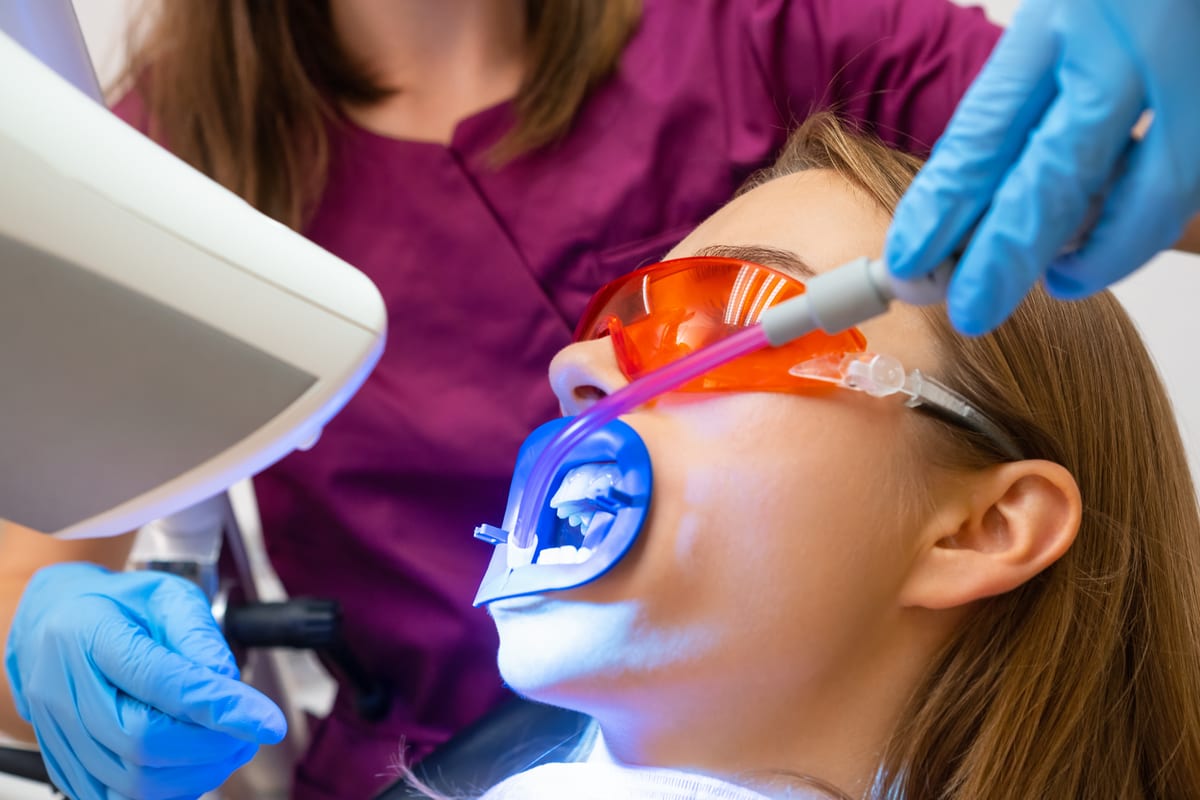
You just finished professional teeth whitening — and your smile looks amazing. Now the real question is: how do you keep it that way? Knowing how to keep your bright smile after professional whitening in Salem makes all the difference. With the right habits and a little planning, your results can last much longer than you might expect. Dr. James Bonar and the team at Pacific Crest Dental Group of Salem are here to walk you through exactly what to do next.
How Long Do Professional Whitening Results Actually Last?
Professional whitening results typically last between six months and two years. The range depends on your diet, oral hygiene routine, and lifestyle habits. Patients who follow a consistent maintenance plan tend to stay on the longer end of that spectrum. Those who skip touch-ups or consume a lot of staining foods often notice fading sooner.
In-office whitening treatments use stronger whitening agents than over-the-counter products. That means your initial results will be more dramatic and longer-lasting. But no whitening treatment is permanent. Your enamel is naturally porous, which means it absorbs pigment from food and drinks over time. Understanding this helps you set realistic expectations and stay proactive.
Touch-Up Frequency: What Salem Patients Should Know
Most patients benefit from a whitening touch-up every three to six months. Your specific schedule depends on how quickly your teeth tend to stain. Dr. Bonar can recommend a personalized touch-up plan during your regular cleaning appointments. Sticking to that schedule keeps your results consistent without over-whitening.
At-home touch-up trays are a convenient option for maintaining your smile between visits. Pacific Crest Dental Group of Salem provides custom-fitted trays that fit your teeth precisely. These trays are more effective than store-bought strips because the gel stays in contact with every surface evenly. A short at-home session every few weeks can significantly extend your results.
It is important not to over-whiten your teeth. Using whitening products too frequently can cause sensitivity and enamel damage. Always follow the guidance your dentist provides. When in doubt, ask during your next appointment rather than increasing treatments on your own.
Daily Habits That Help You Keep Your Bright Smile in Salem
Your daily routine has a bigger impact on whitening results than most people realize. Small consistent choices add up quickly — either protecting or diminishing your results. Building good habits right after treatment gives you the best possible foundation. Here are the daily practices that make the biggest difference:
- Brush your teeth at least twice daily with a whitening toothpaste
- Floss once a day to remove plaque buildup between teeth
- Rinse with water immediately after consuming staining foods or drinks
- Use a straw when drinking coffee, tea, or dark sodas
- Avoid smoking or tobacco products, which cause rapid staining
- Schedule professional cleanings every six months to remove surface buildup
Brushing right after meals can sometimes do more harm than good. If you have eaten something acidic, wait at least 30 minutes before brushing. Brushing too soon can spread acid across the enamel and increase erosion risk. Rinsing with water right away is a safer immediate option.
Foods and Drinks to Limit After Whitening
Some foods and drinks stain teeth faster than others. Being selective about what you consume helps preserve your whitening investment. You do not have to give everything up completely. Moderation and smart habits go a long way.
The most common staining culprits include coffee, red wine, tea, and dark berries. Tomato-based sauces, soy sauce, and balsamic vinegar also leave pigment on enamel. Highly pigmented foods tend to cause the fastest discoloration. The rule of thumb is simple — if it would stain a white shirt, it can stain your teeth.
Here is a quick reference list of what to watch:
- Coffee and black tea — rinse with water after drinking
- Red wine — limit frequency and rinse thoroughly afterward
- Blueberries, blackberries, and pomegranate — consume in moderation
- Tomato sauce and curry — brush or rinse soon after eating
- Dark sodas and sports drinks — use a straw when possible
- Soy sauce and balsamic vinegar — use sparingly in meals
Dairy products like yogurt, cheese, and milk are actually tooth-friendly. They contain calcium and casein, which help protect enamel. Crunchy fruits and vegetables like apples and celery act as natural cleaners. Building more of these foods into your diet supports long-term whitening results.
Products That Support Long-Term Whitening Results
Not all dental products are created equal when it comes to maintaining whitening results. Choosing the right products makes your at-home routine more effective. Dr. Bonar recommends starting with a few key additions to your daily care kit. Here is what tends to work well for most patients.
A whitening toothpaste with mild abrasives helps remove surface stains without damaging enamel. Look for products with the ADA Seal of Acceptance for safety and effectiveness. Whitening mouthwash used daily adds another layer of stain prevention. These rinses are not strong enough to whiten on their own, but they help maintain results between touch-ups.
Electric toothbrushes remove significantly more plaque than manual brushing. They also help polish away surface discoloration more effectively. Pair an electric brush with the right toothpaste and your routine becomes noticeably more powerful. These tools are especially helpful for patients who want to extend the time between professional touch-ups.
If you are exploring other options to enhance your smile alongside whitening, Cosmetic Dentistry Salem offers a full range of treatments. Veneers, bonding, and other cosmetic solutions can complement whitening beautifully. Dr. Bonar will help you understand which combination best fits your smile goals. A personalized plan always produces better outcomes than a one-size-fits-all approach.
When to See Your Dentist After Whitening
Regular dental visits are a cornerstone of any maintenance plan. Professional cleanings remove tartar and surface stains that home care cannot address. At Pacific Crest Dental Group of Salem, we recommend visiting every six months for most patients. Some patients with faster staining patterns may benefit from more frequent cleanings.
If you notice unusual sensitivity following whitening, schedule an appointment sooner rather than later. Some sensitivity is normal and temporary, but persistent discomfort deserves professional attention. We also recommend checking in if your teeth seem to be staining faster than expected. Adjustments to your touch-up schedule or product recommendations may help resolve the issue quickly.
Dental emergencies can sometimes affect teeth that have been recently whitened. Cracked or chipped teeth are more vulnerable to staining at the damaged site. If you experience a dental injury, prompt care protects both your oral health and your whitening investment. Emergency Dentistry Salem services are available to address urgent issues when they arise.
Maintaining your results is a partnership between you and your dental team. The more consistent you are with home care and professional visits, the longer your bright smile will last. Dr. Bonar and the team at Pacific Crest Dental Group of Salem are committed to supporting you every step of the way. Book Now to schedule your appointment with our team.
Frequently Asked Questions
How soon after whitening can I eat normally?
Most dentists recommend following a white diet for the first 48 hours after professional whitening. During this period, avoid dark-colored foods and drinks that can stain freshly treated enamel. After 48 hours, you can return to your normal diet while practicing the stain-limiting habits described above. The first two days are the most critical for protecting your initial results.
Is tooth sensitivity after whitening normal?
Mild sensitivity following professional whitening is very common and usually temporary. It typically resolves within 24 to 72 hours after treatment. Using a sensitivity toothpaste in the days following treatment can help reduce discomfort. If sensitivity persists beyond a few days, contact our office so we can assess the cause.
Can I use whitening strips to maintain my results at home?
Over-the-counter whitening strips can help maintain results, but custom trays from your dentist are more effective. Store-bought strips do not conform to your teeth as precisely, which means uneven whitening gel coverage. Custom trays ensure the gel reaches every surface evenly for more consistent results. Ask Dr. Bonar about take-home tray options at your next visit.
How often should I schedule professional touch-up treatments?
Most patients benefit from a touch-up every three to six months, depending on their diet and lifestyle habits. Patients who consume more staining foods or beverages may need more frequent touch-ups. Dr. Bonar will recommend a schedule based on your individual situation. Building touch-ups into your regular cleaning appointments makes it easy to stay consistent.
Does professional whitening work on crowns or veneers?
Whitening treatments do not change the color of dental restorations like crowns, veneers, or bonding. These materials are not porous in the same way natural enamel is. If your restorations no longer match your newly whitened natural teeth, Dr. Bonar can discuss options to restore a uniform appearance. This is an important consideration when planning a whitening treatment alongside existing dental work.