810 Liberty St. NE, Salem, OR 97301

Why Your Teeth Feel Sensitive During Cleaning (And How We Stop It)


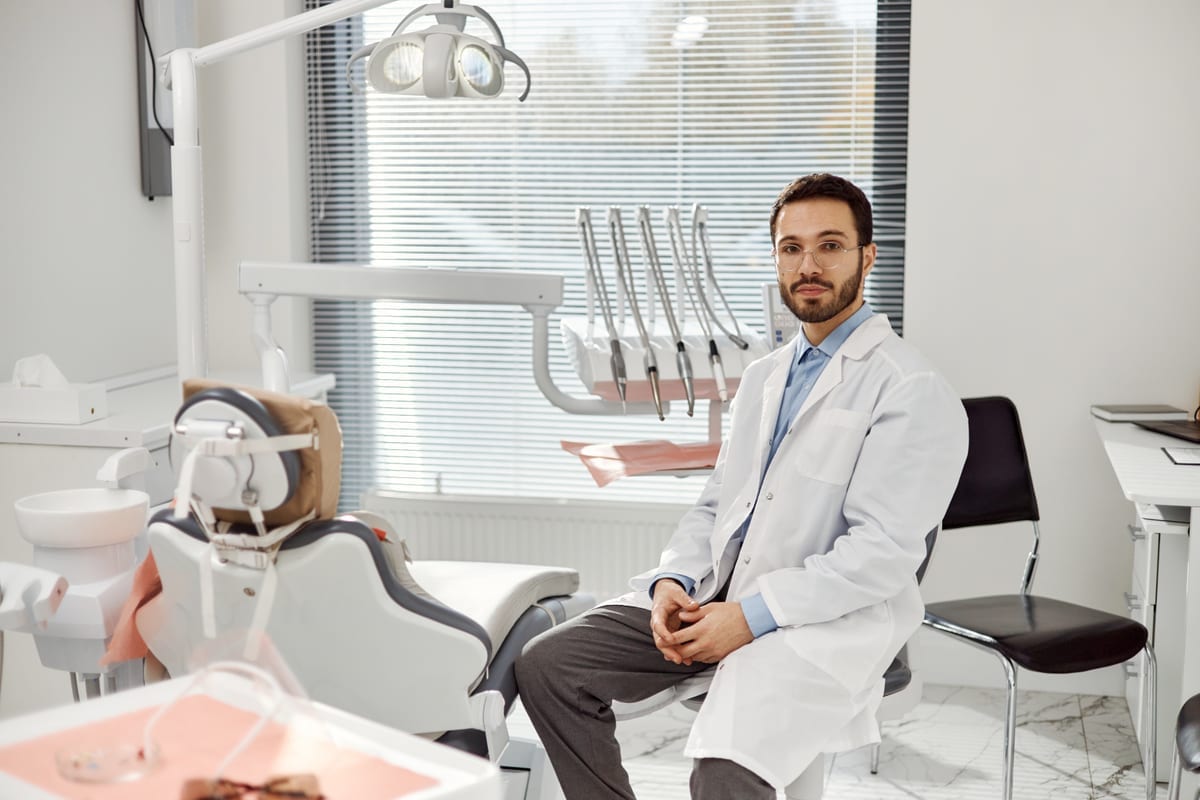
If you’ve ever gripped the armrests during a dental cleaning, you’re not alone. Many patients in Salem ask us, why do my teeth feel sensitive during cleaning? Understanding why your teeth feel sensitive during cleaning — and how we stop it — is something Dr. James Bonar and the team at Pacific Crest Dental Group of Salem take seriously. Sensitivity during cleanings is very common, very treatable, and never something you have to simply endure.
What Causes Sensitivity During a Teeth Cleaning in Salem?
Sensitivity during a cleaning usually comes from exposed dentin. Dentin is the layer beneath your enamel. It contains tiny tubules that connect directly to your nerve endings.
When gum tissue recedes even slightly, dentin becomes exposed. Cold water, metal instruments, and air from our tools can all trigger that sharp, familiar zap of discomfort.
Several factors increase your risk of sensitivity during cleanings:
- Gum recession from aggressive brushing or gum disease
- Worn enamel from teeth grinding or acidic foods
- Existing cavities or cracked teeth
- Recent whitening treatments that temporarily open pores in enamel
- Naturally thin enamel — some patients are simply born with it
Knowing the cause helps our hygienists plan the right approach before your cleaning even begins. We never take a one-size-fits-all approach at Pacific Crest Dental Group of Salem.
How Our Hygienists Minimize Sensitivity During Your Cleaning
Our hygienists are trained to spot sensitivity triggers before they become painful. A quick conversation at the start of your appointment tells us a lot. We ask about previous sensitivity, your brushing habits, and any recent dental work.
From there, we customize your cleaning experience. Here is what that looks like in practice:
- Topical desensitizing gel: We apply a numbing gel to sensitive areas before scaling begins.
- Warm water rinse: Cold water is a major sensitivity trigger. We switch to warm water whenever possible.
- Gentle instrument pressure: Our hygienists adjust how much pressure they apply near the gum line.
- Ultrasonic vs. hand scaling: Some patients prefer one over the other. We discuss this with you and choose accordingly.
- Frequent breaks: Short pauses let your nerves settle during longer cleaning sessions.
These adjustments make a real difference. Most patients are surprised by how manageable a cleaning feels when their hygienist actively works to prevent discomfort.
When Sensitivity Signals Something More — And When to Seek Help
Mild sensitivity during a cleaning is normal. Sharp, lingering pain after a cleaning may signal something worth investigating. There is an important difference between the two.
Sensitivity that lasts more than a few seconds after each touch could indicate a cavity, a cracked tooth, or significant gum disease. These issues need attention beyond a routine cleaning.
In some cases, a patient arrives with an urgent dental concern — not just routine sensitivity. If you experience sudden severe tooth pain between appointments, that may require immediate care. Our team can connect you with Emergency Dentistry Salem resources when time-sensitive treatment is needed.
Do not let fear of sensitivity stop you from keeping your cleaning appointments. Skipping cleanings almost always makes sensitivity worse over time, not better. Tartar buildup and gum inflammation increase nerve exposure significantly.
Long-Term Solutions for Sensitive Teeth in Salem
Managing sensitivity is not just about getting through your next cleaning. Our goal is to reduce your baseline sensitivity over time. Several treatment options help with this.
Desensitizing toothpaste is a simple first step. It works by blocking the open tubules in your dentin. We recommend specific brands based on your sensitivity pattern and the products we trust most.
Fluoride varnish applied at your cleaning appointment strengthens enamel and reduces sensitivity significantly. Many of our Salem patients notice a difference after just one or two applications.
For patients with gum recession, gum grafting is a longer-term solution. We also address teeth grinding with custom nightguards to prevent further enamel loss.
If you are also interested in improving how your smile looks, aesthetic treatments like Cosmetic Dentistry Salem services can be planned around your sensitivity needs. Dr. Bonar always considers your comfort level when recommending any treatment.
Here are a few things you can do at home to reduce sensitivity between visits:
- Switch to a soft-bristled toothbrush
- Use a desensitizing toothpaste twice daily
- Avoid very acidic drinks like soda and citrus juice
- Drink water after meals to neutralize acids quickly
- Wear a nightguard if your dentist has recommended one
What to Expect at Your Next Cleaning at Pacific Crest Dental Group of Salem
Walking into a cleaning appointment already worried about pain makes the experience harder. We want you to feel confident before you even sit down in the chair.
When you arrive, tell your hygienist exactly where you feel sensitivity and when it tends to be worst. This simple conversation changes how we approach your entire appointment. Our team genuinely listens — that is not just a talking point for us.
Dr. Bonar has built Pacific Crest Dental Group of Salem around the idea that dentistry should feel supportive, not stressful. Our hygienists receive ongoing training in comfort-focused cleaning techniques. Your experience matters here.
Regular cleanings every six months remain the best way to protect your oral health and actually reduce sensitivity over time. Healthy gums cover more of your tooth root, which means less exposed dentin and less discomfort. Consistent care is the most effective long-term strategy we have.
You deserve a cleaning experience that leaves your mouth feeling fresh — not sore. Our team in Salem is ready to make that happen for you. Book Now to schedule your appointment with our team.
Frequently Asked Questions
Is it normal for teeth to hurt during a cleaning?
Mild sensitivity during a cleaning is very common and typically normal. It often results from exposed dentin near the gum line. However, sharp or lingering pain should be discussed with your hygienist or Dr. Bonar, as it may indicate an underlying issue that needs attention.
How can I reduce sensitivity before my dental cleaning?
Using a desensitizing toothpaste for two to four weeks before your appointment can help. Avoiding acidic foods and drinks in the days leading up to your visit also helps. Let your hygienist know about your sensitivity so they can prepare accordingly.
Can the hygienist use numbing gel during my cleaning?
Yes. Our hygienists can apply a topical desensitizing gel to sensitive areas before and during your cleaning. This reduces discomfort significantly for most patients. Just let us know when you arrive that you would like this option.
Will my teeth always be this sensitive during cleanings?
Not necessarily. Many patients see their sensitivity decrease over time with consistent cleanings and proper home care. Fluoride varnish applications and desensitizing toothpastes also help reduce baseline sensitivity between visits. Your hygienist will create a plan to improve your comfort at each appointment.
What if my sensitivity is too severe to complete a cleaning?
In rare cases, we may recommend a local anesthetic to allow a thorough and comfortable cleaning. We never push through a cleaning that causes you significant distress. Dr. Bonar and the team will work with you to find an approach that makes your visit manageable and effective.